01 / REVIEW
Preserve the original statement
Record the name exactly as supplied and the source document. Add a separate normalized field only when its basis is documented. Do not overwrite a supplier statement with an assumption from appearance.
02 / REVIEW
Request specificity
For workflows requiring scientific names, ask for the appropriate genus and species information from the responsible supplier or specialist. APHIS identifies scientific-name information as part of relevant Lacey declaration preparation.
03 / REVIEW
Retain uncertainty
If documents use different names, flag the difference and request clarification. Photographs and trade labels do not independently authenticate a species. Keep any laboratory identification record tied to the tested sample and its relationship to the lot.
Preserve the wording you were actually given
Trade names, common names and scientific names serve different purposes. A record becomes harder to audit when someone silently replaces the supplier wording with a more precise-looking name. Keep the original description and any later clarification in separate fields.
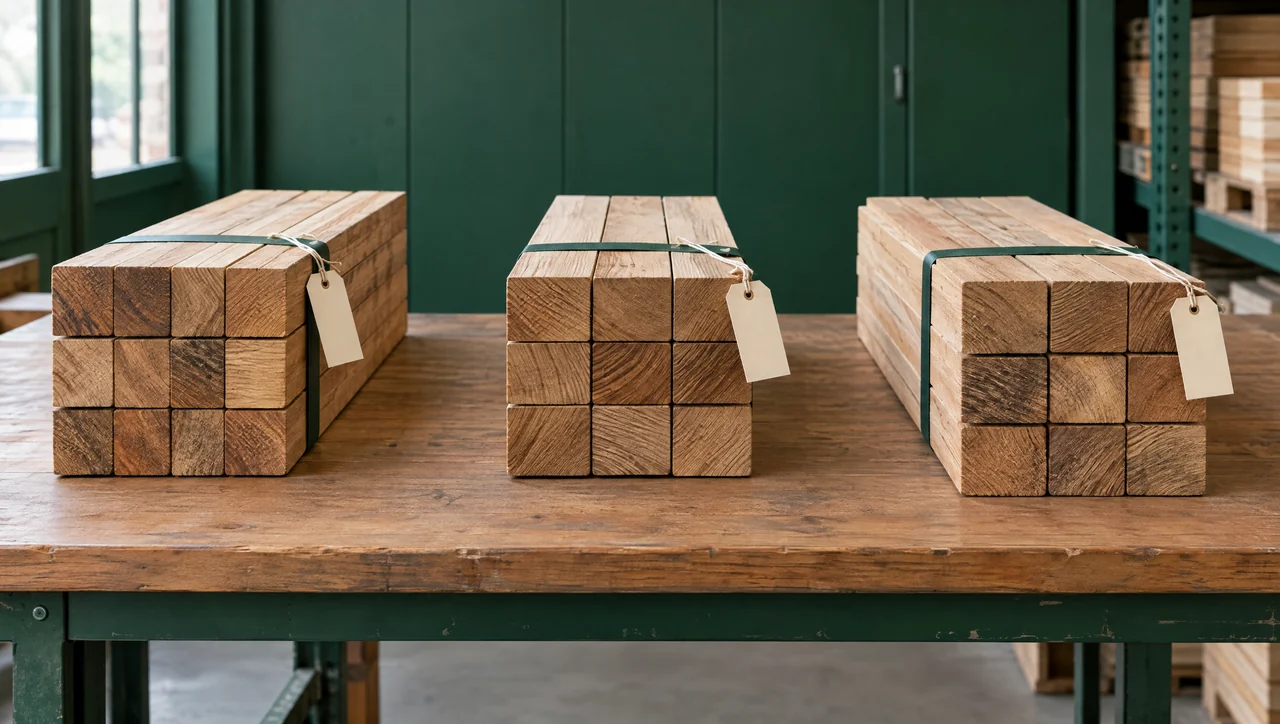
Do not infer a botanical identity from color, weight, a marketing name or a generated image. Where a precise identity matters to a requirement, request the evidence appropriate to that requirement. A purchasing description and an independently established identification are not the same evidence type.
Record a clarification without rewriting history
| Record field | Fictional entry |
|---|---|
| Original description | Trade name as shown on invoice |
| Clarification requested | Scientific name and basis of identification |
| Response | Supplier statement, dated and linked |
| Physical scope | Lots named in that response |
| Review status | Accepted for the stated purpose or still unresolved |
Suppose two invoices use slightly different names for what a supplier says is the same product. Retain both invoice descriptions and the written explanation that connects them. Do not merge the lots solely because the names appear similar.
Use the clarified identity consistently in future requests, while preserving the original references. If regulatory reporting is involved, check the current official requirements for the actual transaction rather than assuming that a trade name accepted on a quotation is sufficient for every filing.
A lot-record scenario
Fictional example: a trade name appears on an order while a scientific name appears on a supplier statement. The record preserves both and asks for the explicit relationship rather than treating them as automatically equivalent.
Use the result
Keep the completed review with the relevant project record. Assign unresolved items before relying on a conclusion. If the material, condition or document changes, revisit the affected questions.
Evidence workspaceTechnical references
General background for the subject. Project worksheets and fictional situations are original review aids, not official agency forms.
APHIS: Lacey declaration guidance